Story
Now I Am My Own Master
Now I am my own master.
Plutarch, Life of Cato the Younger 70, translated by Bernadotte Perrin (1919). He says this when the sword is brought back, after he has examined the point. It is not a last word. He then reads Plato's dialogue on the soul through twice, sleeps, and dies near dawn.
No post link has been added yet. When a cut is published, it will be listed here. The accounts are Instagram, X, YouTube, Pinterest.
The story
After Thapsus in 46 BCE, the republican side in Africa was finished. Cato was at Utica. Caesar was coming. Plutarch’s account of the last night, in Perrin’s 1919 translation, is domestic and slow, which is what makes it strange.
Cato sups, walks with his friends, and embraces his son more carefully than usual. In his room he takes up Plato’s dialogue “On the Soul.” Perrin’s note names that book: the Phaedo, the same dialogue in which Socrates drinks the hemlock. Cato has read most of it when he looks up. The sword that hung above him is gone. His son had taken it during supper. He sends for it, goes back to the book, then demands it louder. He strikes a slave and hurts his own hand. When the sword finally arrives, carried by a little child, he draws it, checks the point, and says, “Now I am my own master.” Then he puts it down and reads the book again. Perrin says he read it through twice.
He sleeps so deeply that people outside the room hear him. Near dawn, after he has been told the harbor is quiet, he sends the servant out, draws the sword, and stabs himself below the breast. The hand he injured makes the thrust weak. He falls, knocks over a geometrical abacus, and the noise brings the house in. The physician pushes the bowels back and sews the wound. Cato comes to, pushes the physician away, tears the wound open with his hands, and dies.
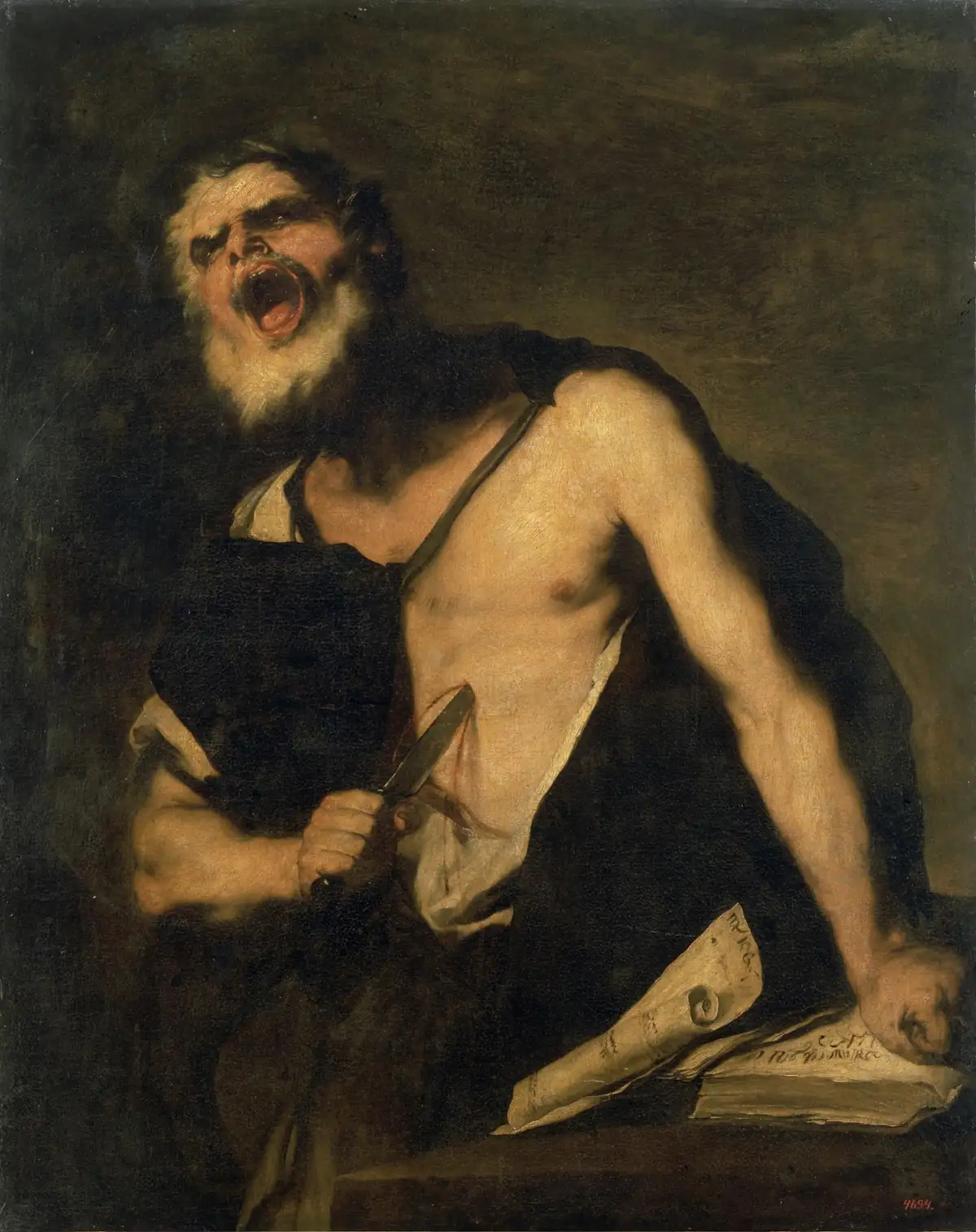
“Now I am my own master” is the sentence when the weapon is returned, not a dying speech. Giordano’s canvas in the Hermitage shows the bed and a book, which is the object he would not put down. The detail Plutarch adds, and paintings usually leave out, is the geometrical abacus hitting the floor. That is the sound that ends the reading.
The artwork
The Death of Cato of Utica · Luca Giordano, Seventeenth century
Luca Giordano painted The Death of Cato of Utica in the seventeenth century. Cato is on a bed with an open book, and the people around him have arrived too late. The Hermitage canvas is a Baroque death scene, not a portrait from 46 BCE, and not a record of the night.
Perrin's narrative puts the sentence "Now I am my own master" earlier, when the sword is returned and before he finishes the book. The painting compresses the night into the moment of death. The book in the picture is the right object. The line was spoken while he still had the evening in front of him.
Luca Giordano, The Death of Cato of Utica, seventeenth century. Oil on canvas. State Hermitage Museum. Public-domain painting; reproduction via Wikimedia Commons. Image file. Public domain. The painting is free of known copyright restrictions. A faithful reproduction of a two-dimensional public-domain artwork is treated as public domain in the United States; other countries may restrict reuse of the photograph.

Sources
- Plutarch, Life of Cato the Younger 68–71, translated by Bernadotte PerrinPublic-domain Loeb translation, 1919. The book is Plato's dialogue On the Soul. Perrin's note identifies it as the Phaedo. The sword, the sentence, the second reading, and the wound are in chapters 68–70.
- Wikimedia Commons file for Giordano's paintingThe file credit names the Hermitage.
More like this
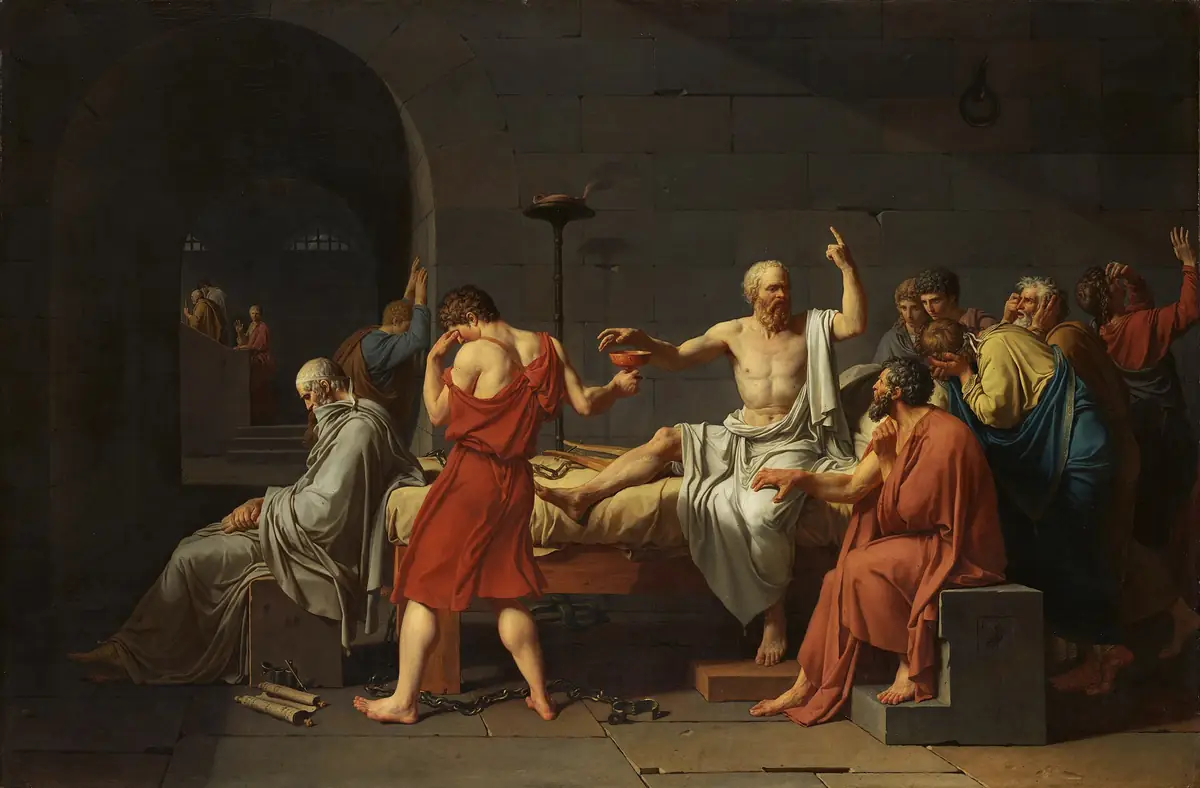
A Cock to Asclepius
Crito, I owe a cock to Asclepius; will you remember to pay the debt?
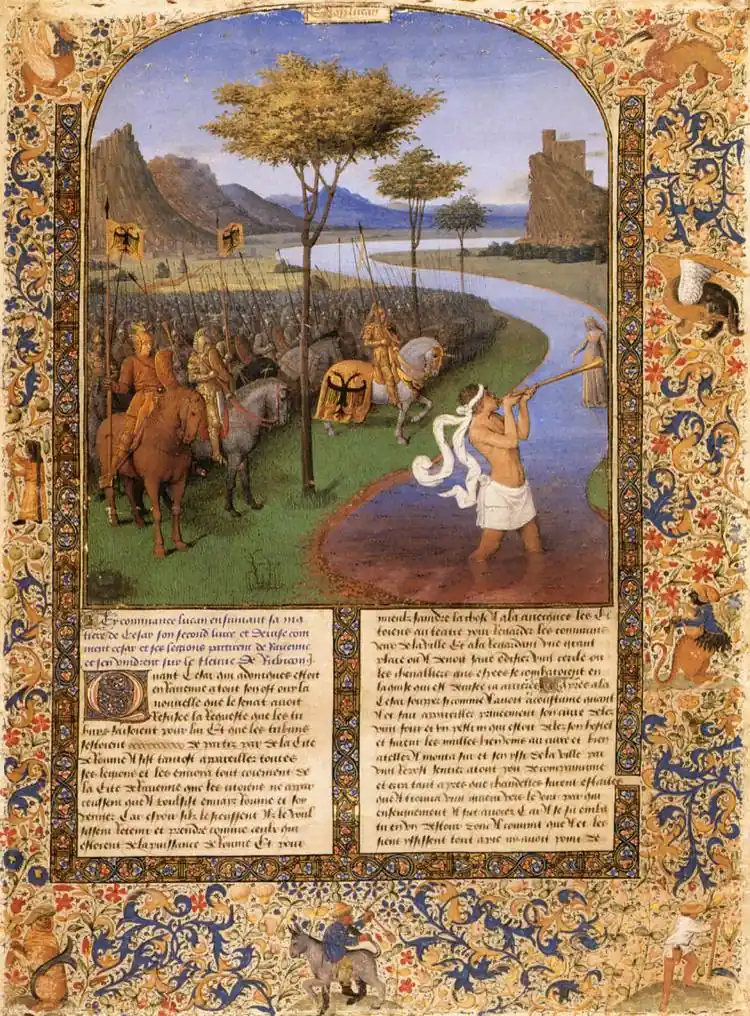
The Die Is Cast
The die is cast.
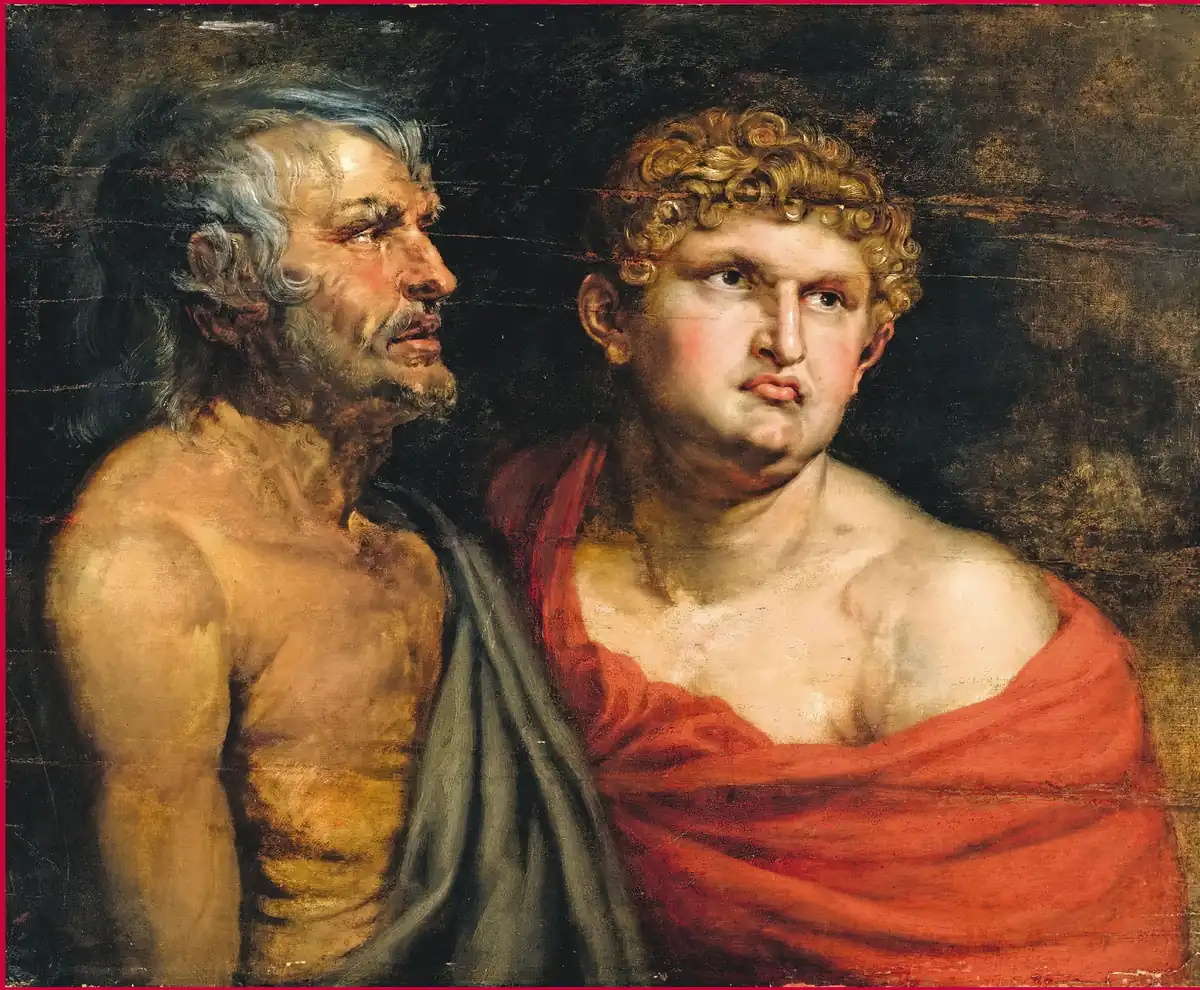
Fate Leads the Willing
Aye, the willing soul Fate leads, but the unwilling drags along.
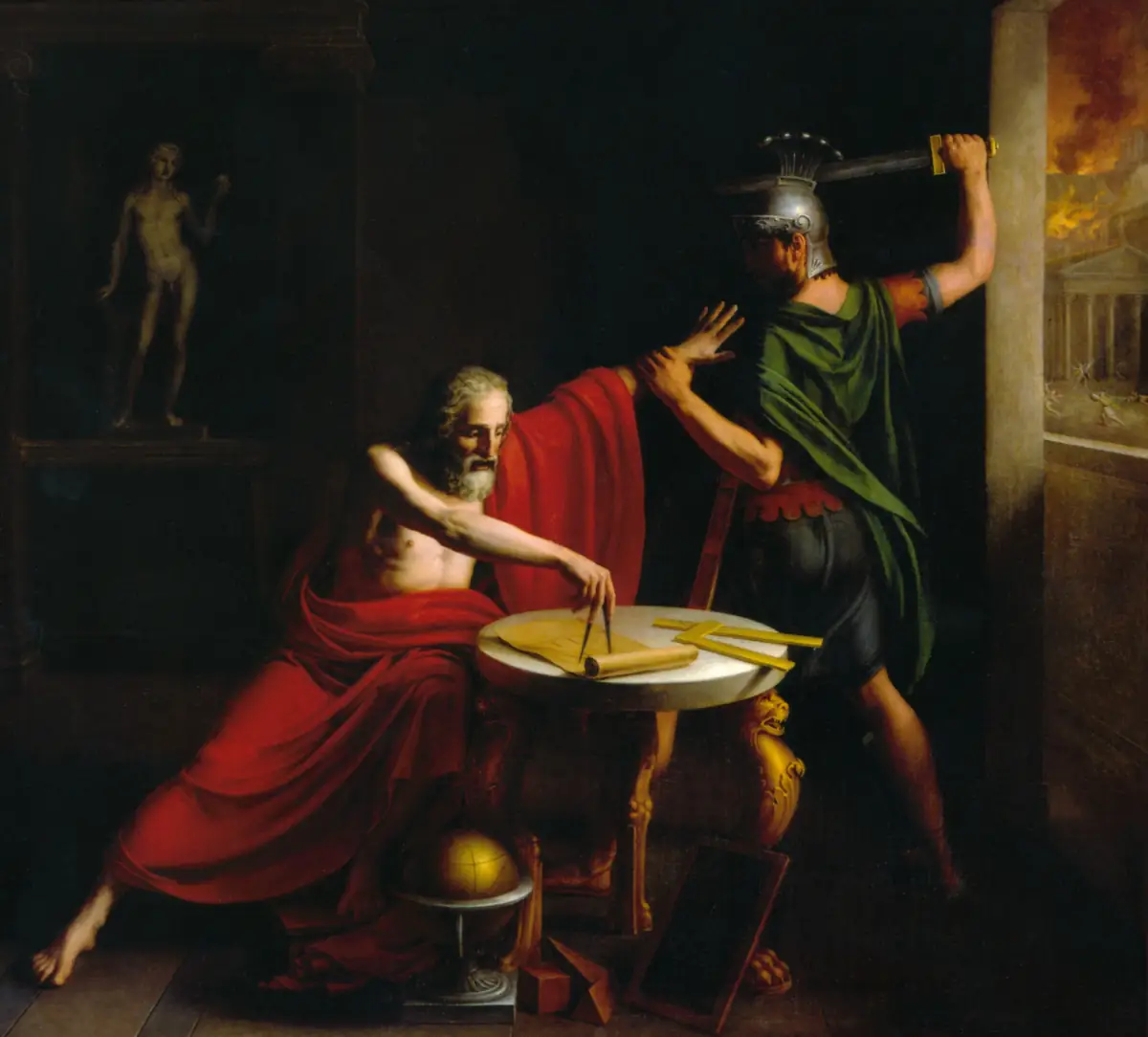
Do Not Disturb My Circles
Do not disturb my circles.
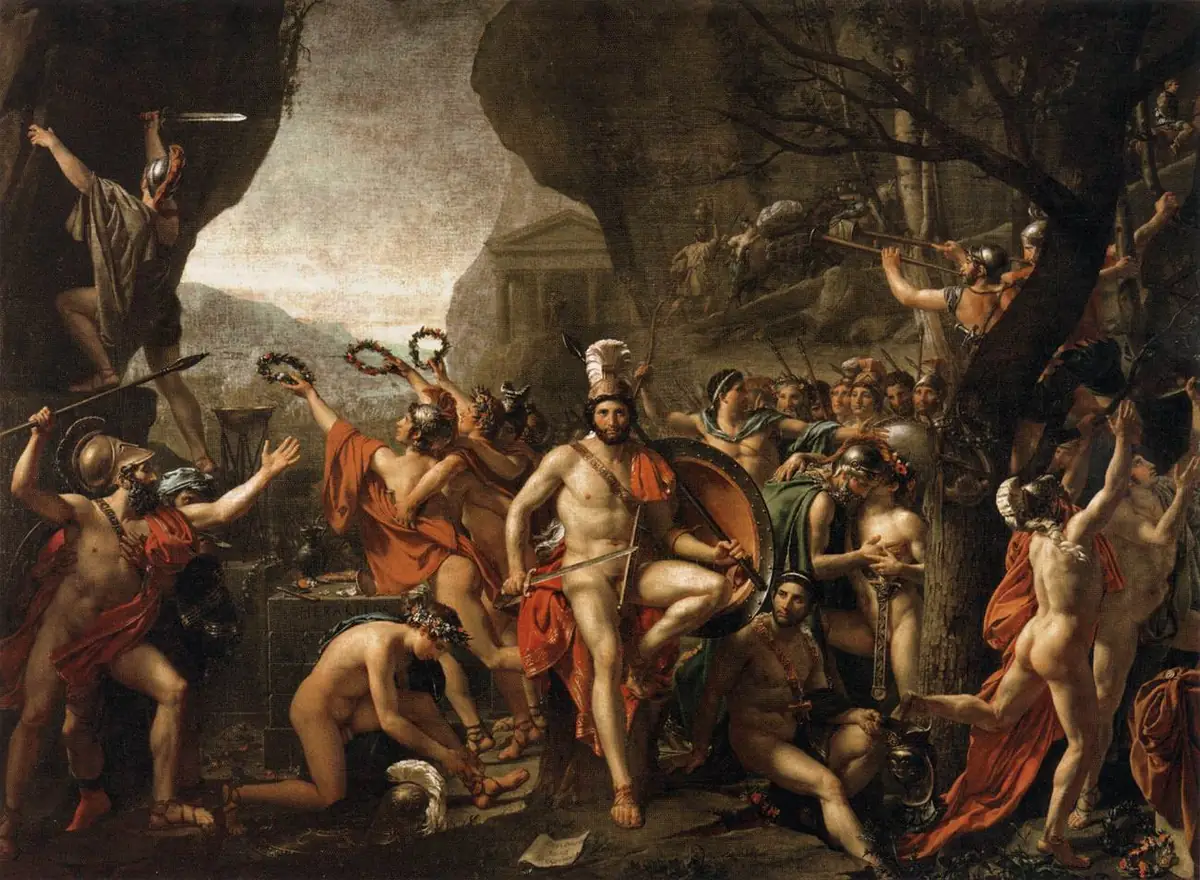
Come and Take Them
Come and take them.
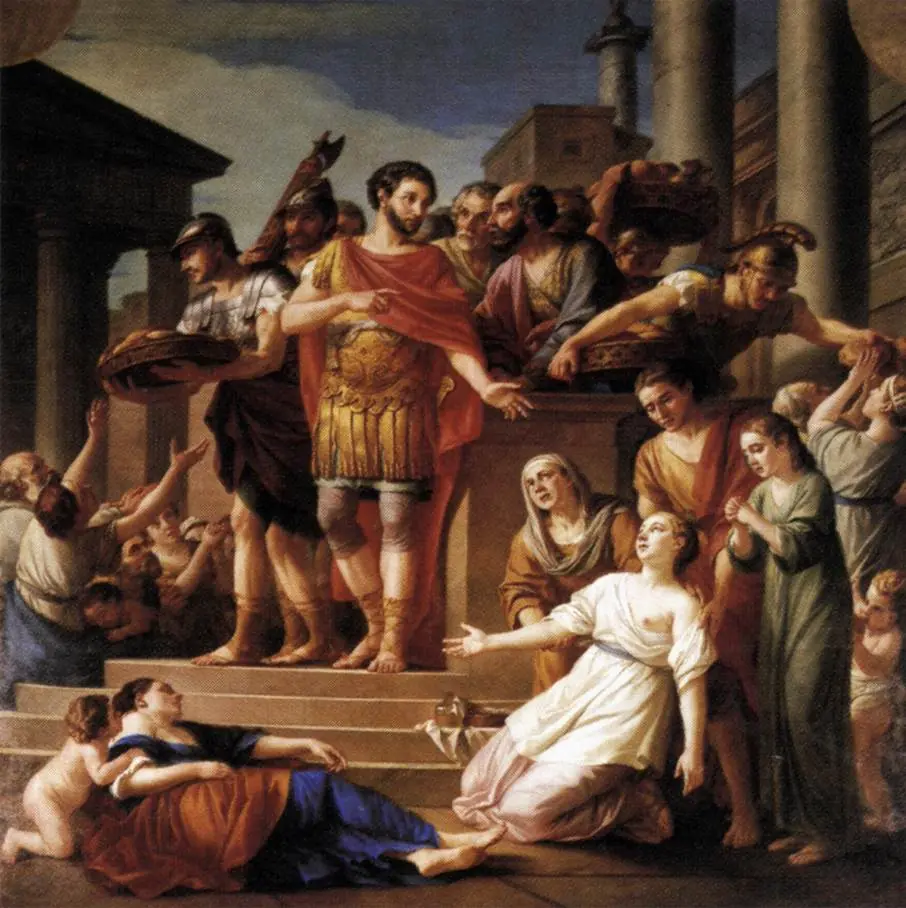
Begin the Morning by Saying
Begin the morning by saying to thyself, I shall meet with the busybody, the ungrateful, arrogant, deceitful, envious, unsocial.