Story
The Die Is Cast
The die is cast.
Suetonius, Life of Julius Caesar 32, in J. C. Rolfe's 1913 translation, gives the Latin as "Iacta alea est." The textbook order "alea iacta est" is not the word order Suetonius writes. Plutarch, in Bernadotte Perrin's 1919 translation, gives "Let the die be cast," and calls it a phrase men usually used before a desperate attempt. It is a report of what was said at the river, with Asinius Pollio named among those present, not a transcript.
No post link has been added yet. When a cut is published, it will be listed here. The accounts are Instagram, X, YouTube, Pinterest.
The story
In January 49 BCE Julius Caesar was still, in law, a governor with an army that was not supposed to enter Italy proper. The Rubicon was the boundary of his province. Suetonius, in Rolfe’s 1913 translation, has him pause there and say that they might still draw back, but once they crossed that little bridge the whole issue would be with the sword.
He did not ride up in daylight at the head of a parade. Chapter 31 says that after sunset he left with a small company, took the mules from a bakery nearby, and harnessed them to a carriage. His lights went out. He lost the way, found a guide at dawn, and reached the road on foot by narrow paths. Then he caught up with his cohorts at the river.
Chapter 32 adds a sign while he was still in doubt. A figure of great size and beauty sat nearby playing a reed. Shepherds came, and soldiers left their posts, trumpeters among them. The figure snatched a trumpet, blew the advance, and crossed to the far bank. Then Caesar said, in Rolfe’s English, “Take we the course which the signs of the gods and the false dealing of our foes point out. The die is cast.” The Latin Suetonius writes is Iacta alea est. The familiar schoolbook order, alea iacta est, swaps the words.
Plutarch tells the same night and names Asinius Pollio among the friends who were there. Perrin’s 1919 translation gives the phrase as “Let the die be cast,” and calls it the sort of thing men already said before a desperate attempt. It was a proverb put to use, not a sentence coined on the bank. Fouquet’s miniature, painted in the second half of the fifteenth century, shows the army in the river. The oddest sourced detail is earlier in the night: the bakery mules, the dead lights, and a general walking back to the road.
The artwork
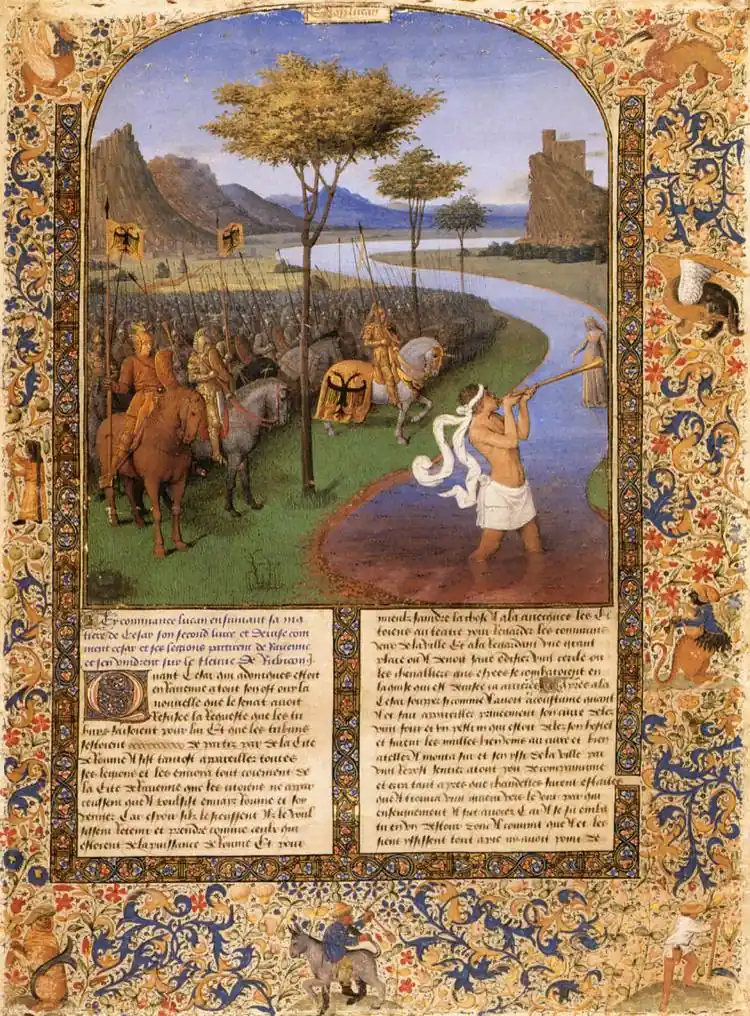
Caesar Crossing the Rubicon · Jean Fouquet, Second half of the 15th century
Jean Fouquet's miniature, from the second half of the fifteenth century, shows armored men and horses in a river, with a fortified town behind them. It is a manuscript picture of the crossing, made about fifteen centuries after 49 BCE. It is not a Roman document, and it is not a portrait of Caesar.
Suetonius also describes a strange figure with a trumpet at the bank, and a night journey that began with borrowed bakery mules. The miniature shows the army in the water. It does not show the reed player or the bakery.
Jean Fouquet, Caesar Crossing the Rubicon, second half of the 15th century. Manuscript miniature. Public-domain image; reproduction via Wikimedia Commons, from the Web Gallery of Art. Image file. Public domain. The miniature is free of known copyright restrictions. A faithful reproduction of a two-dimensional public-domain artwork is treated as public domain in the United States; other countries may restrict reuse of the photograph.

Sources
- Suetonius, Life of Julius Caesar 31–32, translated by J. C. RolfePublic-domain Loeb translation, 1913. LacusCurtius text. The bakery mules are in chapter 31. 'The die is cast' is chapter 32.
- Suetonius, Divus Iulius 32, Latin textThe Latin on LacusCurtius reads: Iacta alea est.
- Plutarch, Life of Caesar 32, translated by Bernadotte PerrinPublic-domain Loeb translation, 1919. 'Let the die be cast.' Asinius Pollio is named among those present.
- Wikimedia Commons file for Fouquet's miniature
More like this
I Will Not Steal a Victory
I will not steal a victory.
Now I Am My Own Master
Now I am my own master.
Supreme Excellence Is Not the Battle
Hence to fight and conquer in all your battles is not supreme excellence; supreme excellence consists in breaking the enemy's resistance without fighting.
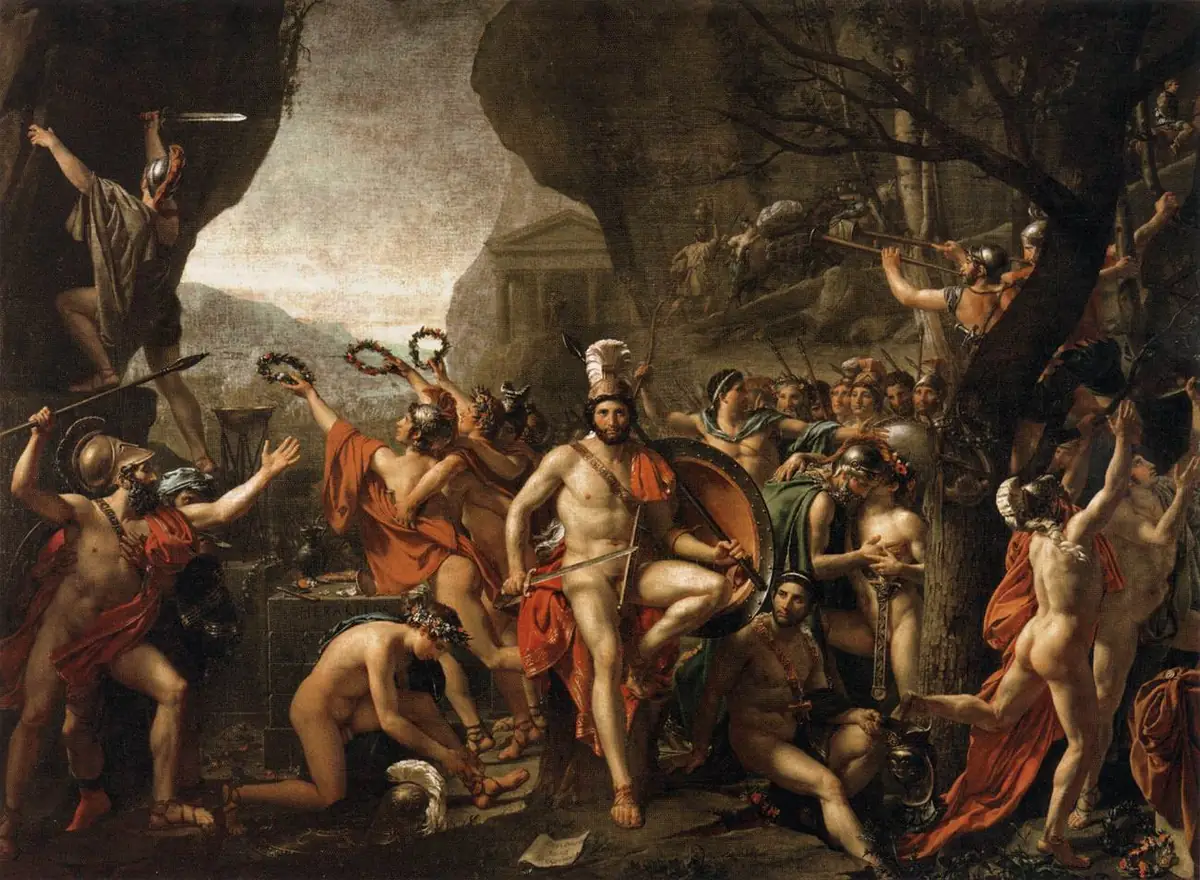
Come and Take Them
Come and take them.
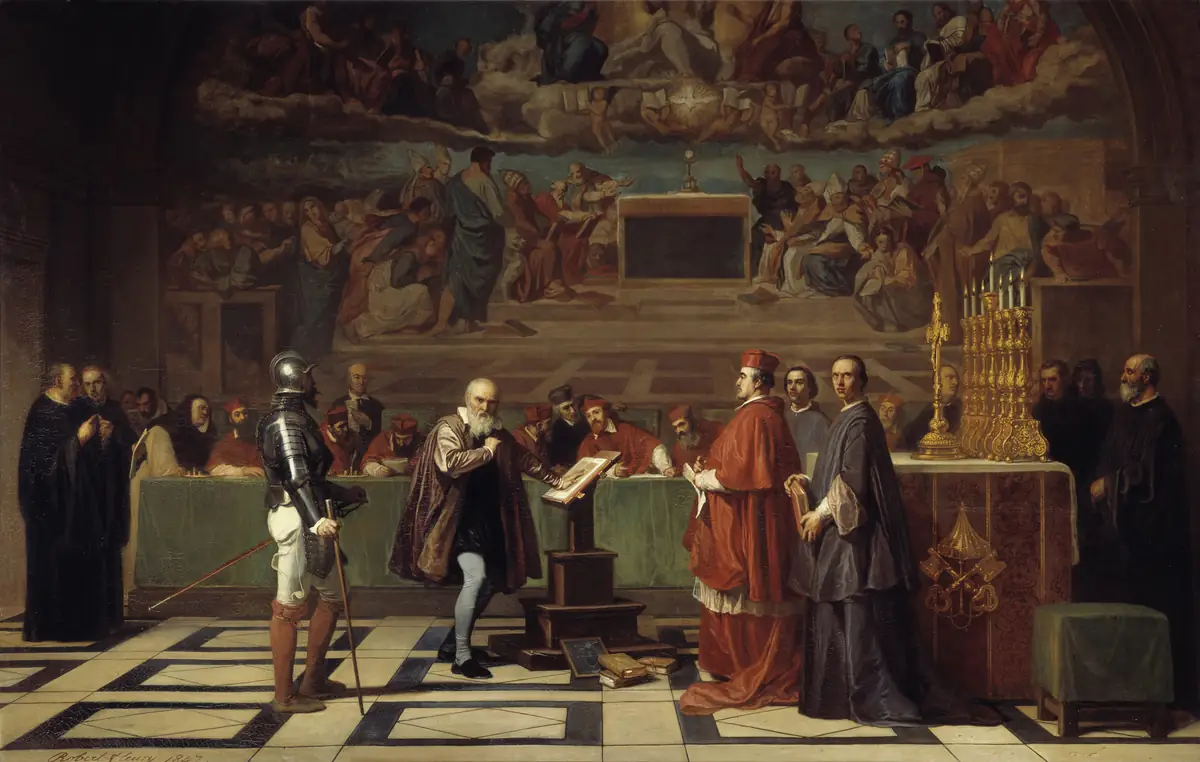
And Yet It Moves
Eppur si muove; that is, still it moves.
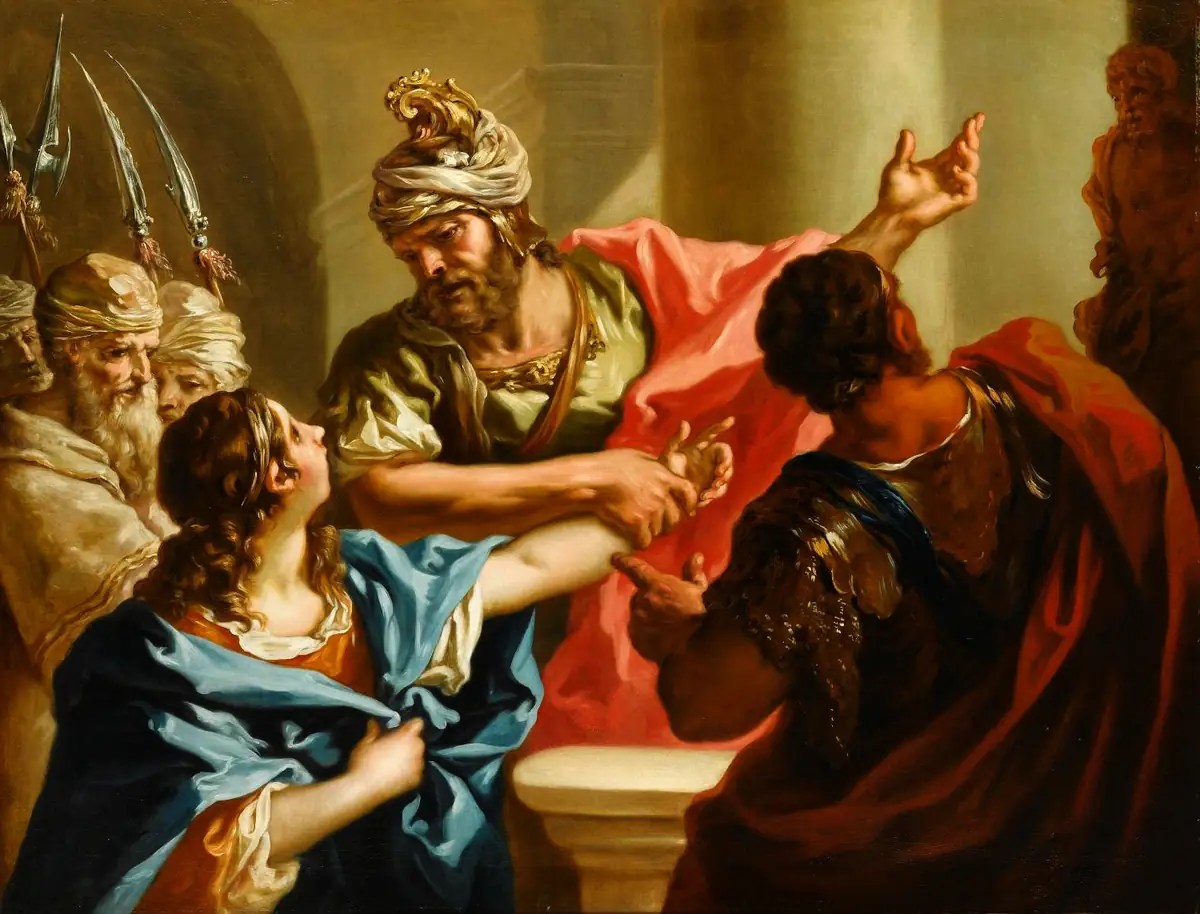
An Enemy to Rome
Swear never to be the friend of the Romans.