Story
Fate Leads the Willing
Aye, the willing soul Fate leads, but the unwilling drags along.
The last line of Richard M. Gummere's 1925 translation of Moral Letters 107.11. Seneca tells Lucilius that he is putting a hymn of Cleanthes into Latin, after Cicero's example. It is not an original proverb of Seneca's, and it is not a line from his death.
No post link has been added yet. When a cut is published, it will be listed here. The accounts are Instagram, X, YouTube, Pinterest.
The story
Seneca is writing to Lucilius about a hard bit of news, and he turns it into a lesson on following the order of things. Seasons change, storms follow calm, day follows night. Whatever happens, he says, assume it was bound to happen, and do not be willing to rail at Nature. A bad soldier grumbles at his commander.
Then he offers a poem. He tells Lucilius to address Jupiter as the Stoic Cleanthes did, “in those most eloquent lines,” and he says he is allowing himself to render them in Latin, after Cicero. Gummere’s 1925 translation ends the rendering with the line quoted here: the willing soul, Fate leads; the unwilling, it drags.
Seneca does not pretend the thought is his. Gummere’s footnote says the verses are assigned to Cleanthes in Epictetus’s Enchiridion 53, which leaves out this last line, while Augustine, in City of God 5.8, quotes them as Seneca’s. The same six lines have been filed under two names because Seneca said, in the letter, that he was translating.
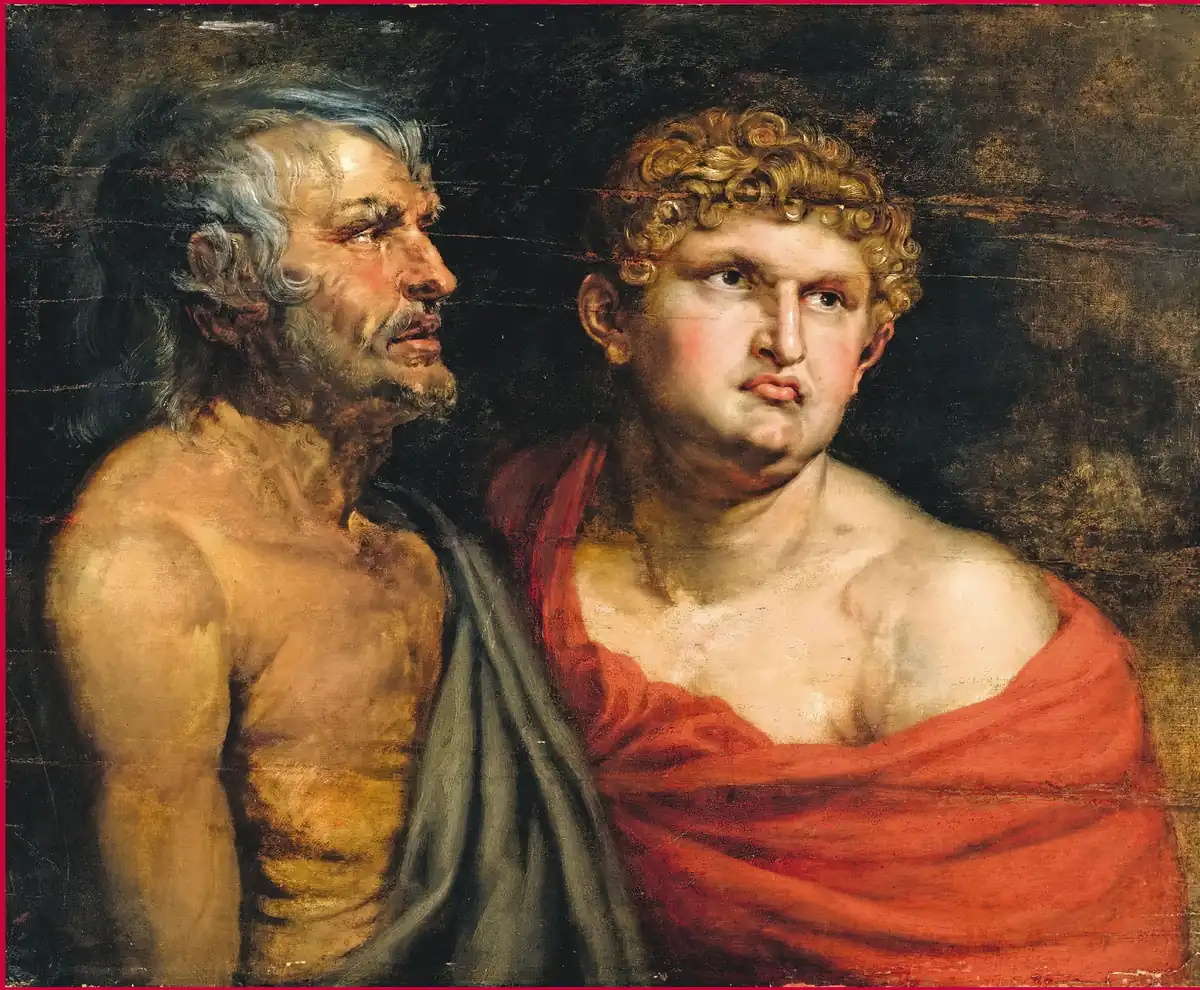
The picture is Rubens in 1617, a double portrait the file only tentatively calls Seneca and Nero. Letter 107 is not a conversation with Nero, and it is not the forced death of 65. Another page on this site takes the letter about fear, which also is not that death. This one is a borrowed hymn, and the curiosity is who gets the credit: Cleanthes in Epictetus, Seneca in Augustine, and Seneca himself pointing back to Cleanthes.
The artwork
Double portrait called Seneca and Nero · Peter Paul Rubens, 1617
The Wikimedia file dates this canvas to 1617 and titles it as a double portrait of Seneca and Nero, with a question mark on the identification. It shows an older man turned toward a youth. It is a seventeenth-century picture, not a portrait from either lifetime.
Letter 107 is a letter to Lucilius about obeying the course of things. The canvas, if the title is right, belongs to the years when Seneca was still near Nero. It does not illustrate the hymn, and it is not the death Tacitus describes.
Peter Paul Rubens, canvas of 1617 titled on Wikimedia Commons as a double portrait of Seneca and Nero, with the identification marked uncertain. Public-domain painting; reproduction via Wikimedia Commons. Image file. Public domain. The painting is free of known copyright restrictions. A faithful reproduction of a two-dimensional public-domain artwork is treated as public domain in the United States; other countries may restrict reuse of the photograph.

Sources
- Seneca, Moral Letters to Lucilius, Letter 107, translated by Richard Mott GummerePublic-domain Loeb translation, 1925. The hymn and Gummere's note on Cleanthes, Epictetus, and Augustine are on this page.
- Wikimedia Commons fileDate 1617. The object name marks the Seneca identification as uncertain.
More like this
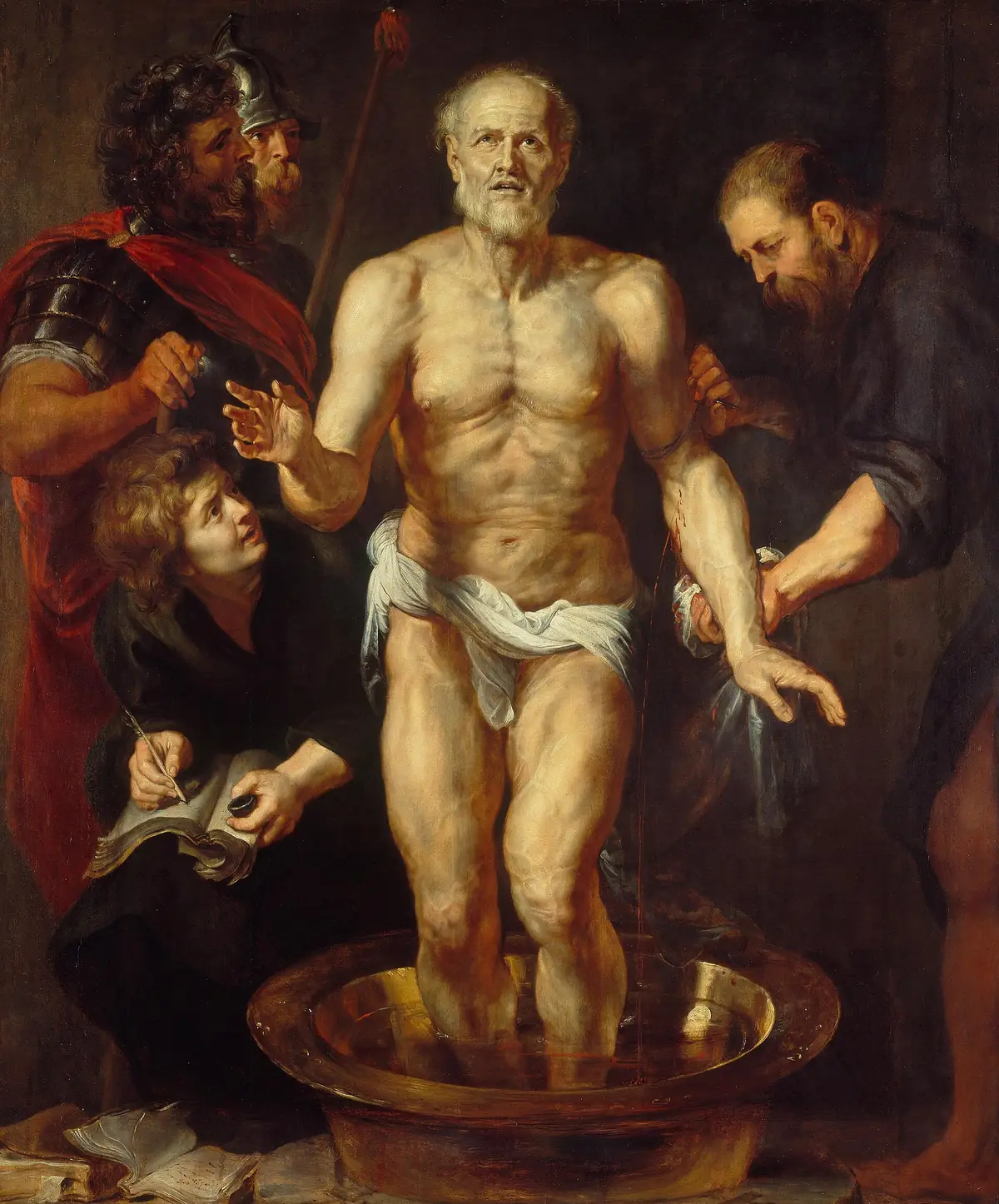
We Suffer More Often in Imagination
There are more things, Lucilius, likely to frighten us than there are to crush us; we suffer more often in imagination than in reality.
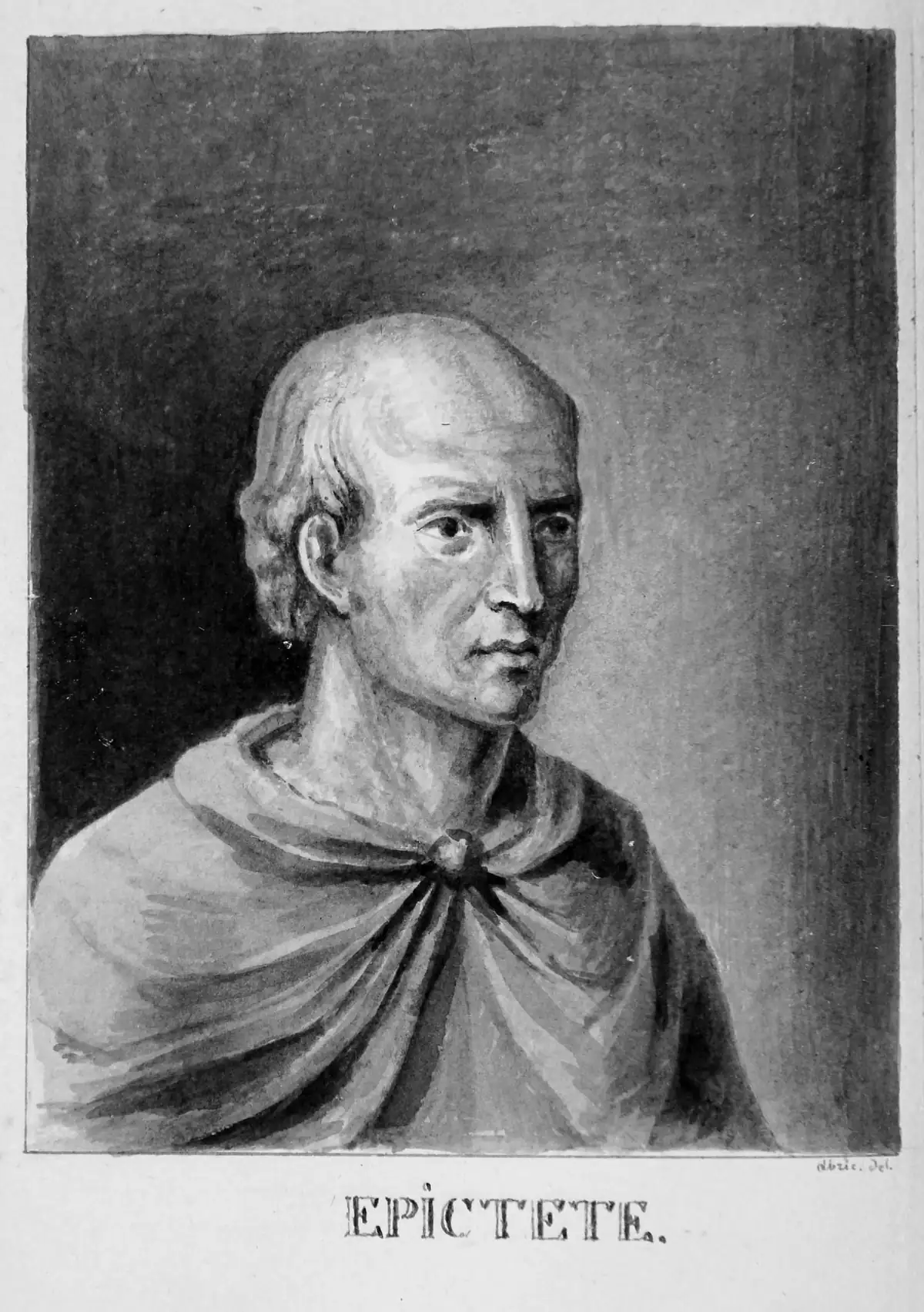
Men Are Disturbed Not by Things
Men are disturbed not by things, but by the views which they take of things.
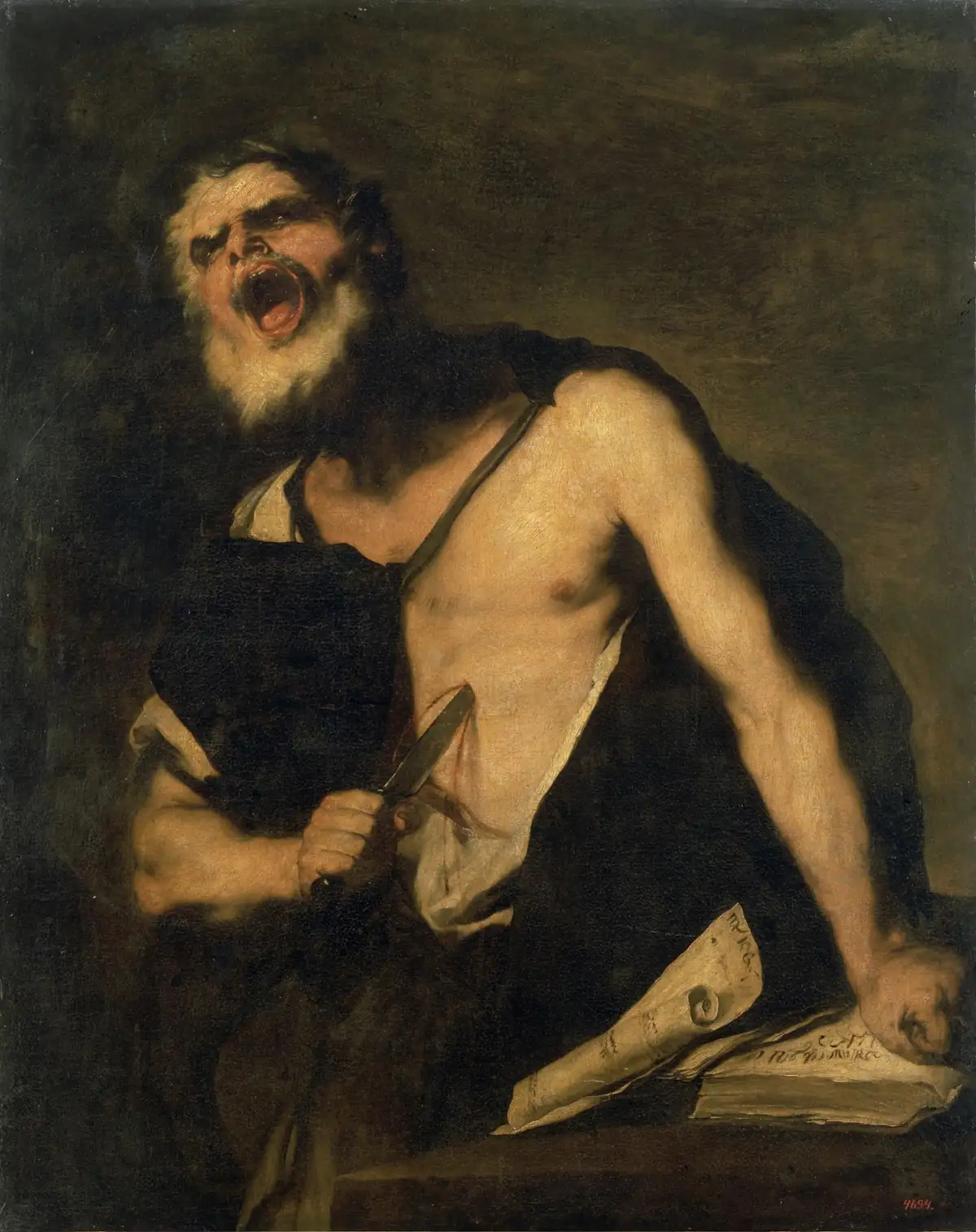
Now I Am My Own Master
Now I am my own master.
Begin the Morning by Saying
Begin the morning by saying to thyself, I shall meet with the busybody, the ungrateful, arrogant, deceitful, envious, unsocial.
It Is Not the Thing That Disturbs You
If thou art pained by any external thing, it is not this thing that disturbs thee, but thy own judgment about it. And it is in thy power to wipe out this judgment now.
Supreme Excellence Is Not the Battle
Hence to fight and conquer in all your battles is not supreme excellence; supreme excellence consists in breaking the enemy's resistance without fighting.