Story
It Is Not the Thing That Disturbs You
If thou art pained by any external thing, it is not this thing that disturbs thee, but thy own judgment about it. And it is in thy power to wipe out this judgment now.
The line often shared as "You have power over your mind — not outside events. Realize this, and you will find strength" is a modern paraphrase. It is not a sentence in Meditations. The quotation on this page is George Long's 1862 translation of Meditations 8.47.
No post link has been added yet. When a cut is published, it will be listed here. The accounts are Instagram, X, YouTube, Pinterest.
The story
Marcus Aurelius wrote the notes later called Meditations in Greek, to himself. He did not publish them. The Greek title is closer to “things to himself.” The books are generally placed in the last years of his reign, the 170s, while he was emperor and often on campaign along the Danube. A single section such as 8.47 cannot be pinned to a day.
Book 8, section 47, draws a line he keeps coming back to: the outside event, and the judgment added to it. George Long’s 1862 translation opens the section with the sentence quoted above. A plain restatement, which is not itself a translation: if something outside hurts, the disturbance is in the judgment, and that judgment can be dropped.
The section does not stop at the famous idea. If the pain comes from your own character, Long has Marcus ask who is stopping you from correcting the opinion. If you are pained because you are not doing what you think is right, act instead of complaining. If an obstacle really cannot be moved, the cause does not depend on you, so grieving it does not help. The last lines even consider leaving life contentedly when the thing you believe you must do cannot be done. Quoting only the first two sentences leaves that harder ending out.
He was not writing this in retirement. From 161 he ruled the Roman Empire, at first with Lucius Verus and, after Verus died in 169, on his own. Commodus was co-emperor with him from 177. The reign included the Parthian war, the Antonine Plague, and years of war on the northern frontier. The notebooks are reminders written against that pressure.
The shorter modern sentence about “power over your mind” and “outside events” has no passage in Meditations that matches it. Treat it as a paraphrase. The citable text is Meditations 8.47, in a named translation.
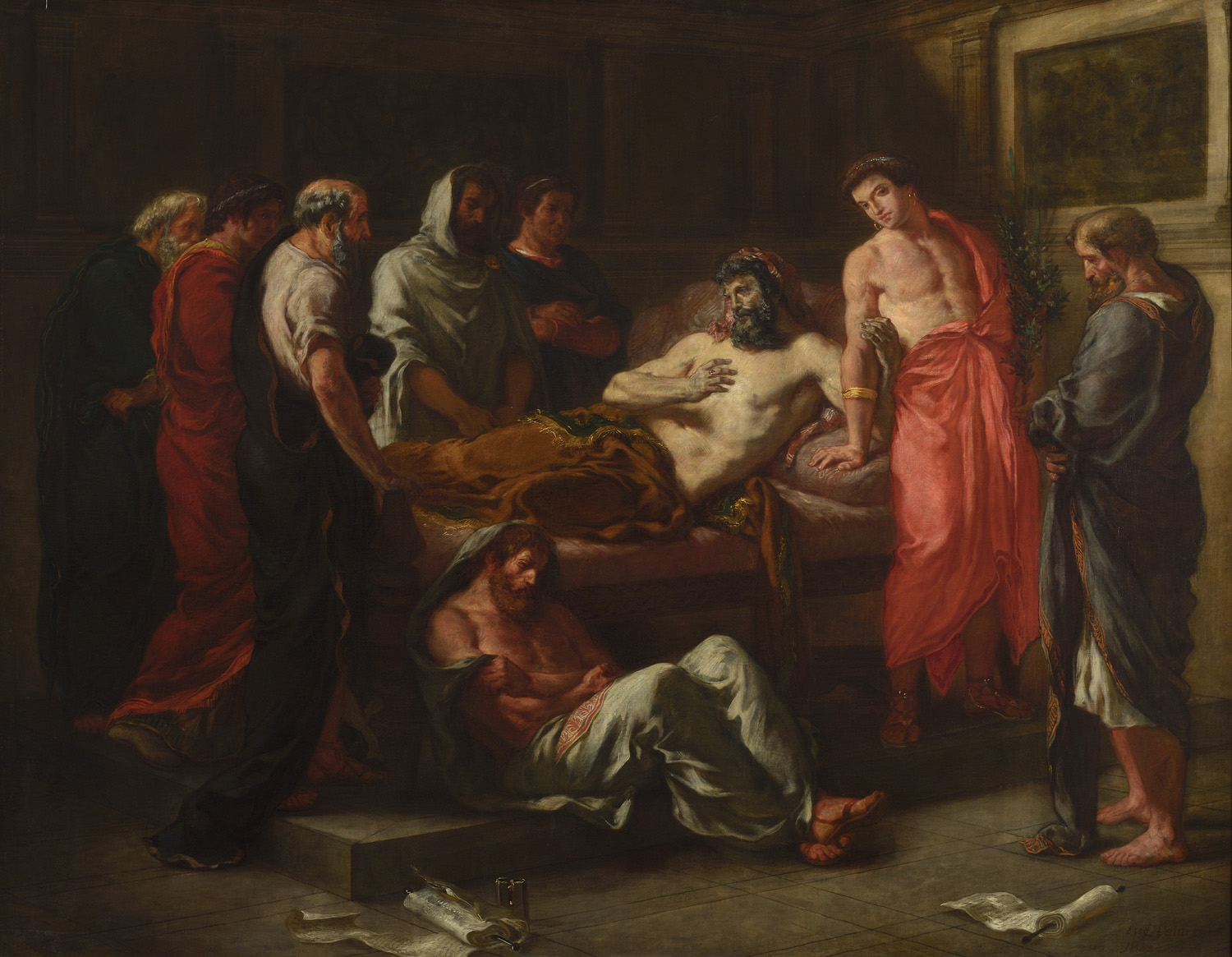
The picture on this page is a different object from the notebook. Eugène Delacroix’s Last Words of the Emperor Marcus Aurelius (1844) imagines the death on 17 March 180. Ancient writers agree on that date and disagree on the place: Vindobona, modern Vienna, and Sirmium both have a claim. The canvas shows a deathbed. The quotation shows a private note from the campaigns. They meet in one life, and they are not the same sentence.
The artwork
Last Words of the Emperor Marcus Aurelius · Eugène Delacroix, 1844
Delacroix painted this in 1844 for the Paris Salon. The museum title calls the scene the emperor's last words. Marcus lies back among officers and family, and the young Commodus is part of the group the picture asks you to notice. It is a history painting, made more than sixteen centuries after the death it imagines.
Cassius Dio, writing in the early third century, gives the date as 17 March and reports a deathbed watchword: when a tribune asked for it, Marcus said, "Go to the rising sun; I am already setting." Dio also passes on a rumor that the physicians hurried the death to please Commodus. That is Dio's report, not a transcript, and the rumor is not something this page treats as fact. The painting belongs to that later deathbed tradition. It does not illustrate Meditations 8.47, and the sentence quoted above was not a speech from the bed.
Delacroix's face for Marcus is a nineteenth-century invention. Portrait sculptures from the reign survive, including busts and the bronze equestrian statue, and this canvas is not one of them.
Eugène Delacroix, Last Words of the Emperor Marcus Aurelius, 1844. Oil on canvas. Musée des Beaux-Arts de Lyon, inv. A 2928. Public-domain painting; reproduction via Wikimedia Commons. Image file. Public domain. The painting is free of known copyright restrictions. Wikimedia treats a faithful reproduction of a two-dimensional public-domain artwork as public domain in the United States; other countries may restrict reuse of the photograph.

Sources
- Marcus Aurelius, Meditations, Book 8, translated by George LongPublic-domain translation, 1862. Section 47 is the passage quoted here.
- Meditations 8.47 on Lexundria (Long translation)
- Cassius Dio, Roman History, book 72 (epitome), translated by Earnest CaryDate of death, the reported watchword, and the physician rumor. LacusCurtius text.
- Wikimedia Commons file for Delacroix's paintingImage source, museum, and public-domain status.
More like this
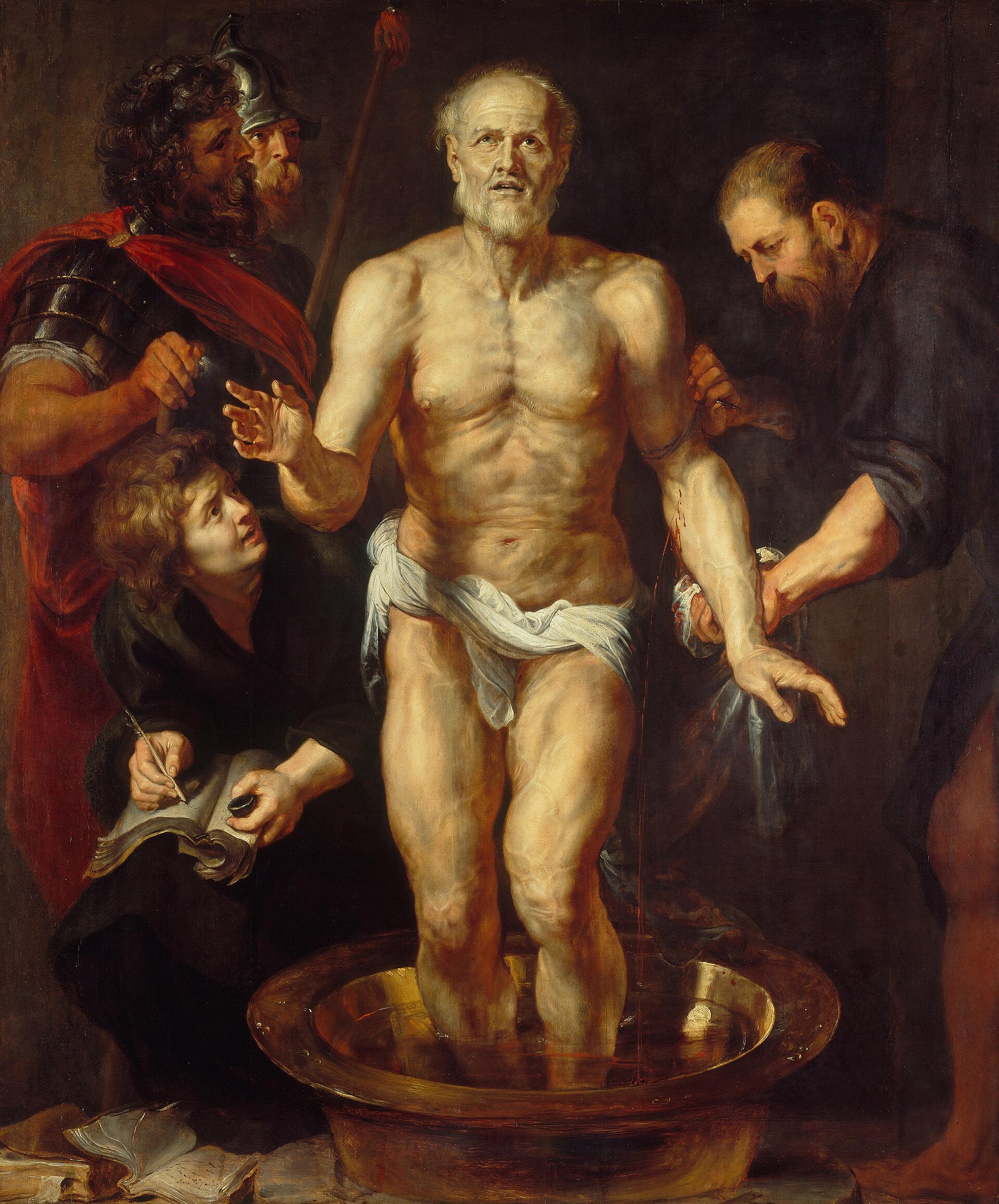
We Suffer More Often in Imagination
There are more things, Lucilius, likely to frighten us than there are to crush us; we suffer more often in imagination than in reality.
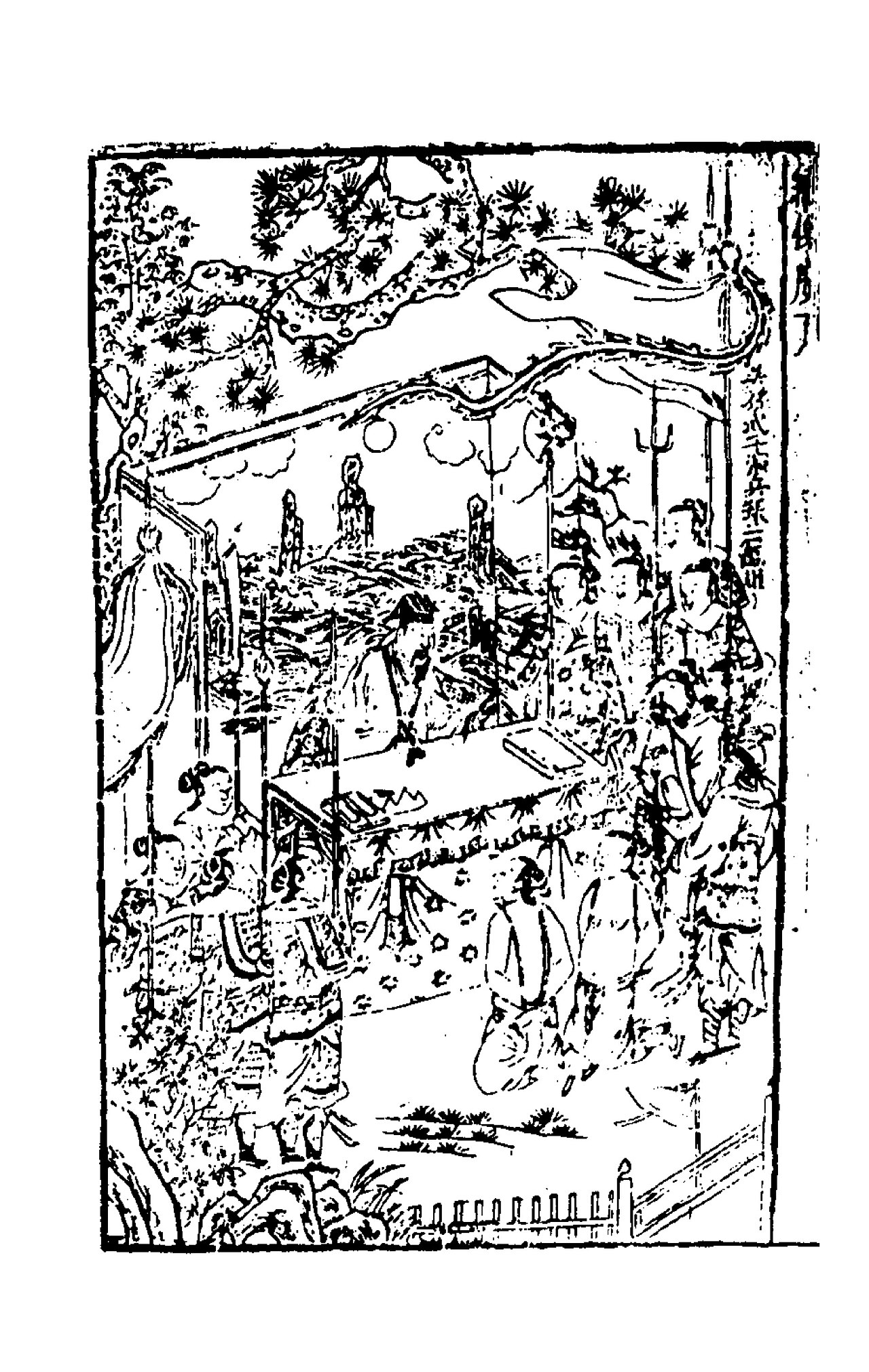
Supreme Excellence Is Not the Battle
Hence to fight and conquer in all your battles is not supreme excellence; supreme excellence consists in breaking the enemy's resistance without fighting.