Story
And Yet It Moves
Eppur si muove; that is, still it moves.
Legend. This sentence is not in the sentence of 22 June 1633, and it is not in the trial record. Giuseppe Baretti, The Italian Library (London, 1757), prints the story and translates the Italian as "still it moves." The English "And yet it moves" is a later rendering of the same legendary line. Baretti also says Galileo was in the Inquisition for six years, was put to the torture, and spoke the moment he was set at liberty. Those details are Baretti's. The documents of 1633 do not support them.
No post link has been added yet. When a cut is published, it will be listed here. The accounts are Instagram, X, YouTube, Pinterest.
The story
In June 1633 Galileo Galilei was in Rome before the Holy Office. He had published the Dialogue Concerning the Two Chief World Systems in 1632. On 22 June 1633 he abjured. The text he accepted says the idea that the earth moves is false. It does not contain the Italian sentence Eppur si muove, and no report from that day records him saying it.
The story turns up later. In The Italian Library (London, 1757), Giuseppe Baretti calls him the celebrated Galileo, “who was in the inquisition for six years, and put to the torture, for saying, that the earth moved.” Baretti then has him, the moment he was set at liberty, look up at the sky and down at the ground, stamp his foot, and say Eppur si muove, “that is, still it moves.” The index of that book points to the entry at page 52.
The Italian line, and the later English “And yet it moves,” are what people remember. Baretti’s frame around it is not history. Galileo was not released that moment to stamp his foot in the courtroom. He lived the rest of his life under restriction, at Arcetri, and he died there in 1642. The six years and the torture are part of the same paragraph as the famous words. They travel together, and the trial papers do not carry them.
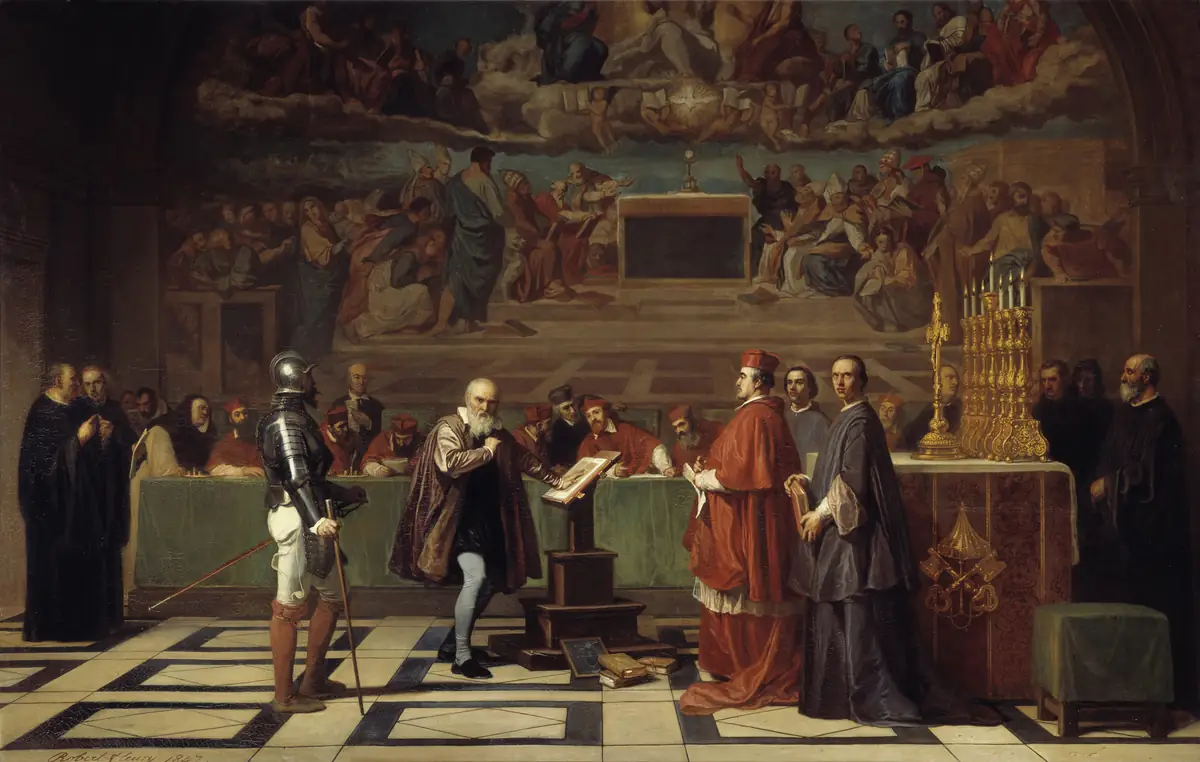
Robert-Fleury’s Galileo before the Holy Office (1847) paints a hall of clerics and a standing old man, which is the scene the legend wants. It was made two centuries after the abjuration. Another defiance on this site, Leonidas answering a demand for his arms, is at least a saying preserved in an ancient collection. This one is a story first famous in a London book of 1757, attached to a man who had just signed the opposite.
The artwork
Galileo before the Holy Office · Joseph-Nicolas Robert-Fleury, 1847
Joseph-Nicolas Robert-Fleury painted Galileo before the Holy Office in 1847. Clerics sit in a hall, and Galileo stands before them. It is a nineteenth-century history painting of the trial, made more than two hundred years later. It is not a record that he spoke, and it is not evidence for the legend.
The canvas shows the room where a defiance would have been dangerous. The line people put in his mouth was printed in English in 1757, in a book that also gets the aftermath wrong. Picture and slogan are both later. Neither one is the sentence he signed.
Joseph-Nicolas Robert-Fleury, Galileo before the Holy Office, 1847. Oil on canvas. A later imagining of the trial, not a document. Public-domain painting; reproduction via Wikimedia Commons. Image file. Public domain. The painting is free of known copyright restrictions. A faithful reproduction of a two-dimensional public-domain artwork is treated as public domain in the United States; other countries may restrict reuse of the photograph.

Sources
- Giuseppe Baretti, The Italian Library (London, 1757)The Galileo entry tells the story of 'Eppur si muove' and translates it 'still it moves.' The same paragraph claims six years in the Inquisition and torture. Treat those claims as part of the legend, not as the trial record.
- Wikimedia Commons file for Robert-Fleury's paintingDated 1847.
More like this
Do Not Disturb My Circles
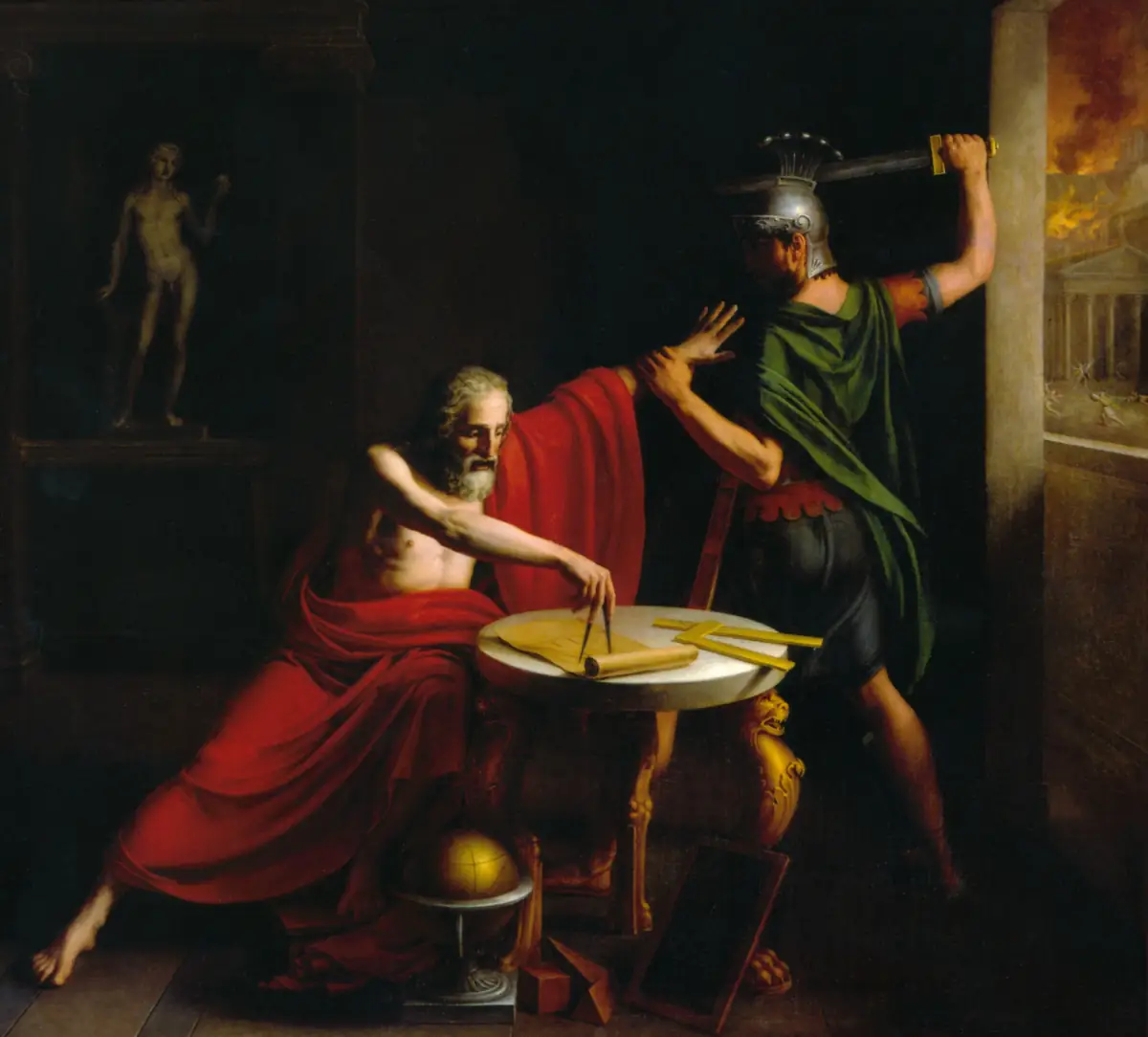
Do not disturb my circles.
Come and Take Them
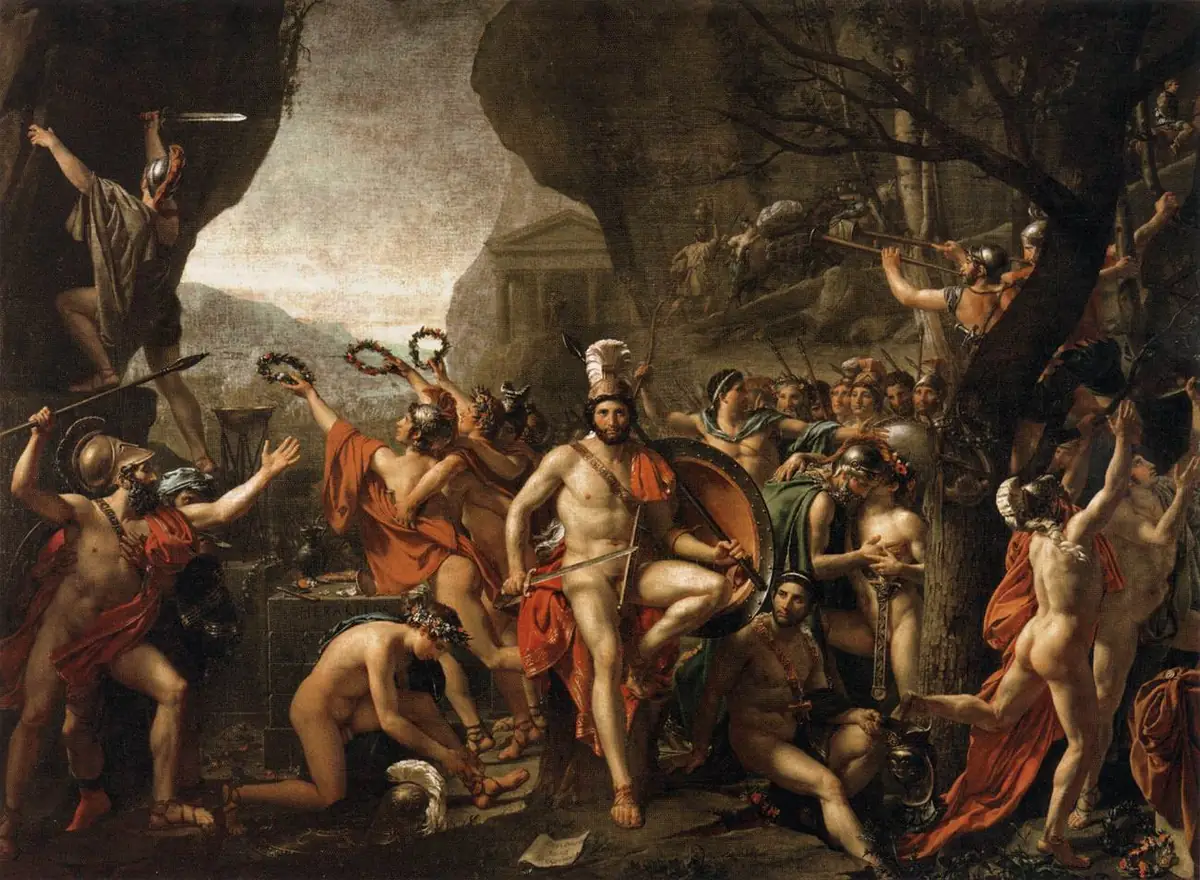
Come and take them.
A Cock to Asclepius
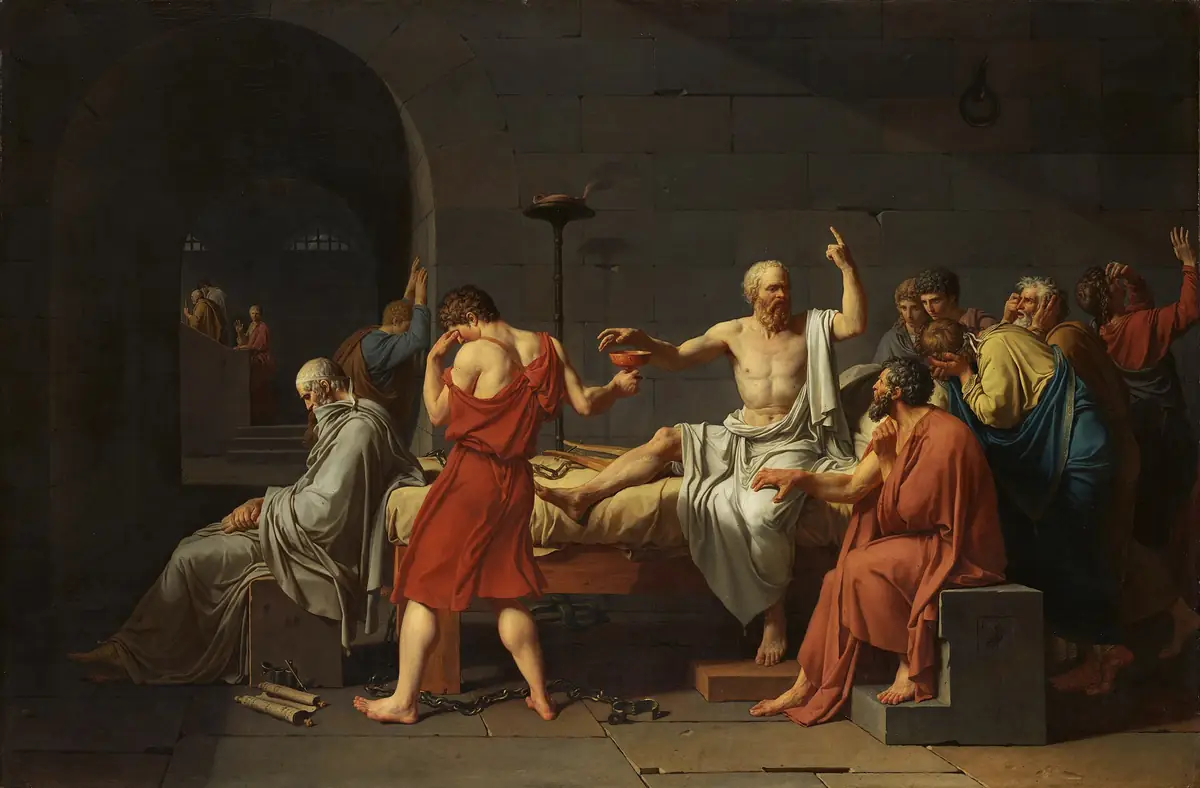
Crito, I owe a cock to Asclepius; will you remember to pay the debt?
The Die Is Cast
The die is cast.
Stand Out of My Light
Stand out of my light.
I Will Not Steal a Victory
I will not steal a victory.